

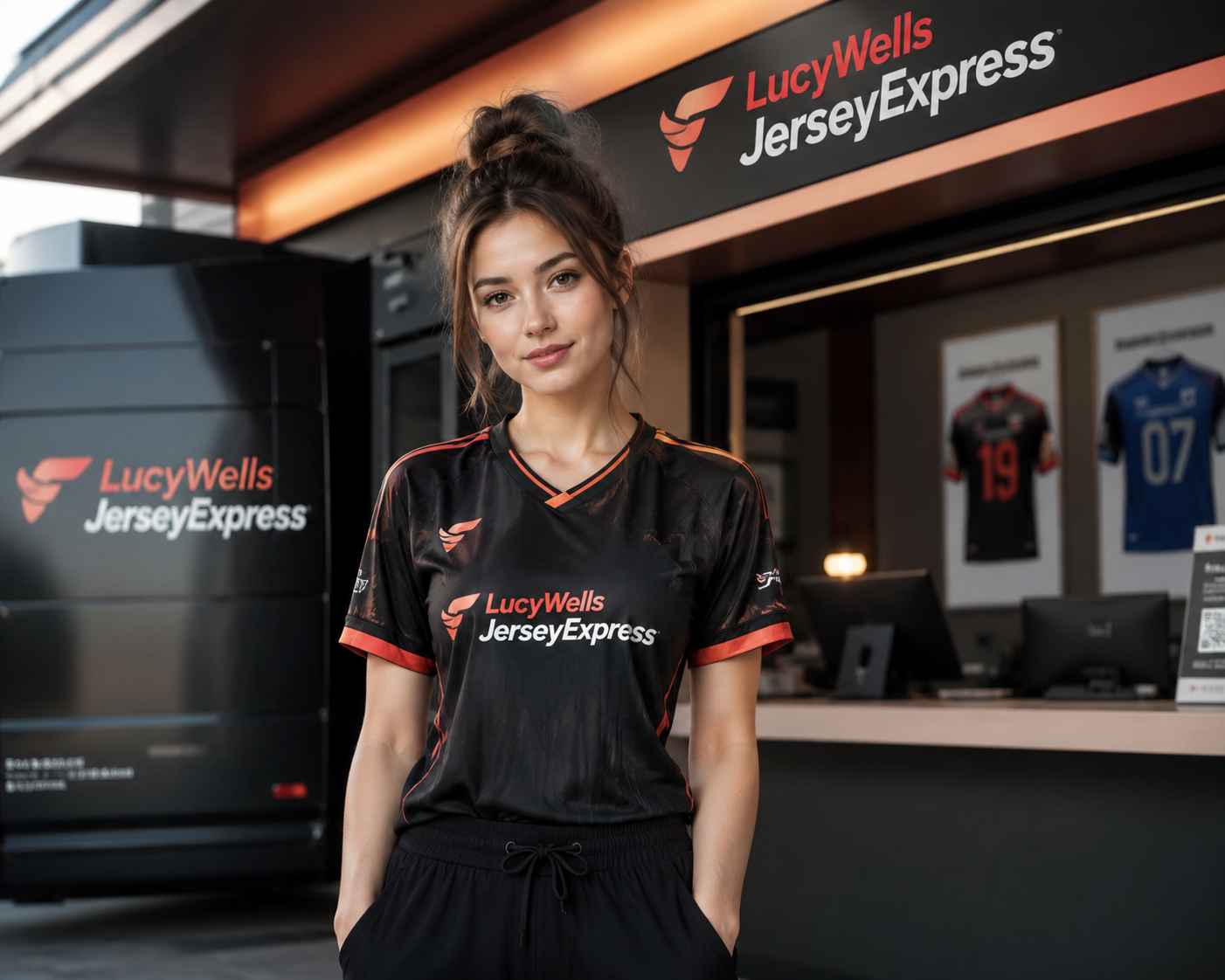
Modern businesses understand that visual identity dictates brand value. Companies no longer look at corporate clothing as just a uniform requirement. Instead, they view it as a critical pillar of their public relations and employee satisfaction strategies. At the intersection of high-quality logistics, modern custom embroidery, and corporate style sits the collaborative synergy of lucywells jerseyexpress.
When businesses seek to overhaul their physical branding with speed and high structural quality, this combination represents the industry benchmark. Whether managing a logistics team of hundreds or updating the aesthetic of a boutique storefront, understanding the power of tailored apparel delivery shapes consumer trust.
Why Corporate Apparel Defines Modern Brand Identity
First impressions happen within seconds. When a representative faces a client, their clothing communicates operational standards. High-quality corporate apparel acts as a walking billboard for professional accountability.
[Design and Brand Strategy] ➔ [Precision Embroidery] ➔ [Jersey Express Delivery]
Choosing the right design framework transforms how employees carry themselves. Sloppy, generic clothing lowers confidence. Conversely, sharp, functional pieces improve team cohesion. When organizations pair creative design leadership with rapid delivery mechanics, they build a highly responsive supply chain for corporate identity.
The Key Benefits of Strategic Workplace Clothing
- Instant Visual Trust: Customers identify authorized staff immediately, which reduces friction during client interactions.
- Boosted Team Morale: Wearing comfortable, stylish clothes makes staff feel valued and professional.
- Free Localized Marketing: Every off-site lunch or commute turns an employee into a brand ambassador.
- Operational Equality: Standardized dress codes minimize socioeconomic visible gaps among team members.
The Intersection of Lucy Wells and Jersey Express
The phrase lucywells jerseyexpress embodies the union of strict design vision and lightning-fast fulfillment. To get the best out of corporate merchandising, organizations must balance creative detail with reliable transit systems.
1. Conceptual Design Excellence
Design is more than just placing a logo on a generic cotton canvas. True garment strategy requires balancing fabric types, color fastness, and thread counts. It means selecting materials that survive industrial washes while remaining breathable during physical labor.
2. High-Speed Fleet Logistics
Even the most beautiful apparel lines fail if they do not arrive before a major company convention or retail launch. This is where express shipping solutions step in to save corporate timelines. Rapid dispatch systems ensure that regional offices receive updated seasonal kits simultaneously, eliminating onboarding gaps.
Strategic Garment Selection for Diverse Industries
Every industry demands a unique approach to garment production. A tech startup needs an entirely different wardrobe strategy compared to a commercial transport firm.
| Industry Sector | Primary Apparel Focus | Recommended Fabrics | Key Design Elements |
| Corporate Offices | Sharpness & Clean Silhouettes | Pima Cotton, Oxford Blends | Subtle tonal embroidery on collars |
| Logistics & Transport | Durability & High Mobility | Ripstop Nylon, Polyester Mesh | Reflective strips, reinforced seams |
| Retail & Hospitality | Stain Resistance & Breathability | Poly-Cotton Twill, Spandex Infused | Deep utility pockets, contrast piping |
Step-by-Step Production Roadmap
Executing an apparel rollout requires strict structural management. Skipping steps leads to mismatched colors, peeling logos, and sizing nightmares. The lucywells jerseyexpress standard depends on a transparent pipeline.
1.Discovery and Vector Design:Phase 1.
Designers convert standard corporate logo images into clean vector files. They scale the graphics to fit different garment sizes, from extra small to triple extra large, without losing resolution.
2.Material Sourcing and Thread Matching:Phase 2.
Production experts pick fabrics based on the client’s working environment. They align the logo colors precisely with Pantone matching swatches to protect brand integrity.
3.Digital Embroidery Sample Production:Phase 3.
Industrial machines run a test stitch on fabric scrap pieces. The client reviews the sample to inspect stitch density, puckering risk, and overall texture.
4.Bulk Processing and Inspection:Phase 4.
Automated multi-head embroidery systems process the complete order. Quality control workers manually trim loose threads and inspect each garment under intense lighting.
5.Jersey Express Secure Dispatched Routing:Phase 5.
Teams package the apparel line into moisture-sealed boxes. Express distribution channels pick up the cargo, utilizing optimized logistics routes to ensure timely delivery directly to corporate facilities.
Avoiding Critical Mistakes in Bulk Apparel Ordering
Many corporate buyers make decisions based purely on the lowest price tag. This strategy almost always backfires when fabrics shrink or logos unravel after three wash cycles.
Pro Tip on Material Value: Investing 15% more upfront in ring-spun cotton or performance synthetic blends doubles the operational lifespan of the garment, saving thousands of dollars in replacement costs over a fiscal year.
Watch Out for These Hidden Traps
- Ignoring Employee Feedback: Always distribute size charts and fabric samples before finalizing a bulk order. If the team finds the material itchy or tight, they will avoid wearing it correctly.
- Forgetting Thread-Count Realities: Highly intricate gradients do not always translate well to embroidery. Sometimes, simple, bold solid shapes yield a much cleaner professional appearance.
- Neglecting Shipping Buffers: Always schedule your apparel delivery to arrive at least one week before your official product launch or corporate event. This extra buffer gives you room to resolve minor sizing anomalies.
The Environmental Shift in Express Corporate Fulfillment
The modern marketplace rewards sustainability. Consumers actively track the ecological footprints of the businesses they support. Corporate apparel programs must pivot toward eco-friendly methodologies to maintain a progressive brand reputation.
Modern fulfillment models use recycled ocean plastics and organic cotton to reduce carbon footprints. Furthermore, localized shipping practices optimize van routes, decreasing greenhouse gas emissions during final delivery stages. Selecting clean production methods ensures your brand reflects responsibility inside and out.
Maximizing the Lifespan of Your Corporate Uniforms
To maximize your investment, you must educate your workforce on proper garment maintenance. Even premium fabrics degrade quickly if subjected to harsh chemicals and incorrect drying temperatures.
Essential Care Protocols
- Wash Inside Out: Turning shirts inside out shields the delicate embroidered logo from rubbing against the metal drums of washing machines.
- Avoid High Heat: Extreme dryer temperatures warp synthetic fibers and shrink natural cotton threads, ruining the garment’s fit.
- Use Mild Detergents: Harsh bleaching agents strip away vibrant fabric dyes, making team uniforms look old and worn within months.
Conclusion: Driving Brand Success with Precision Delivery
The market moves fast. To stay competitive, companies need tools that reinforce their authority instantly. The operational synergy behind lucywells jerseyexpress offers a blueprint for corporate visual success. By matching top-tier design sensibilities with highly efficient delivery networks, brands build real authority that clients recognize immediately.
Streamlining your internal apparel supply chain preserves your capital, satisfies your workforce, and presents a flawless corporate image to the public. Invest in your presentation, select your distribution channels wisely, and watch your brand equity climb.
