

Demystifying Web Connection Errors
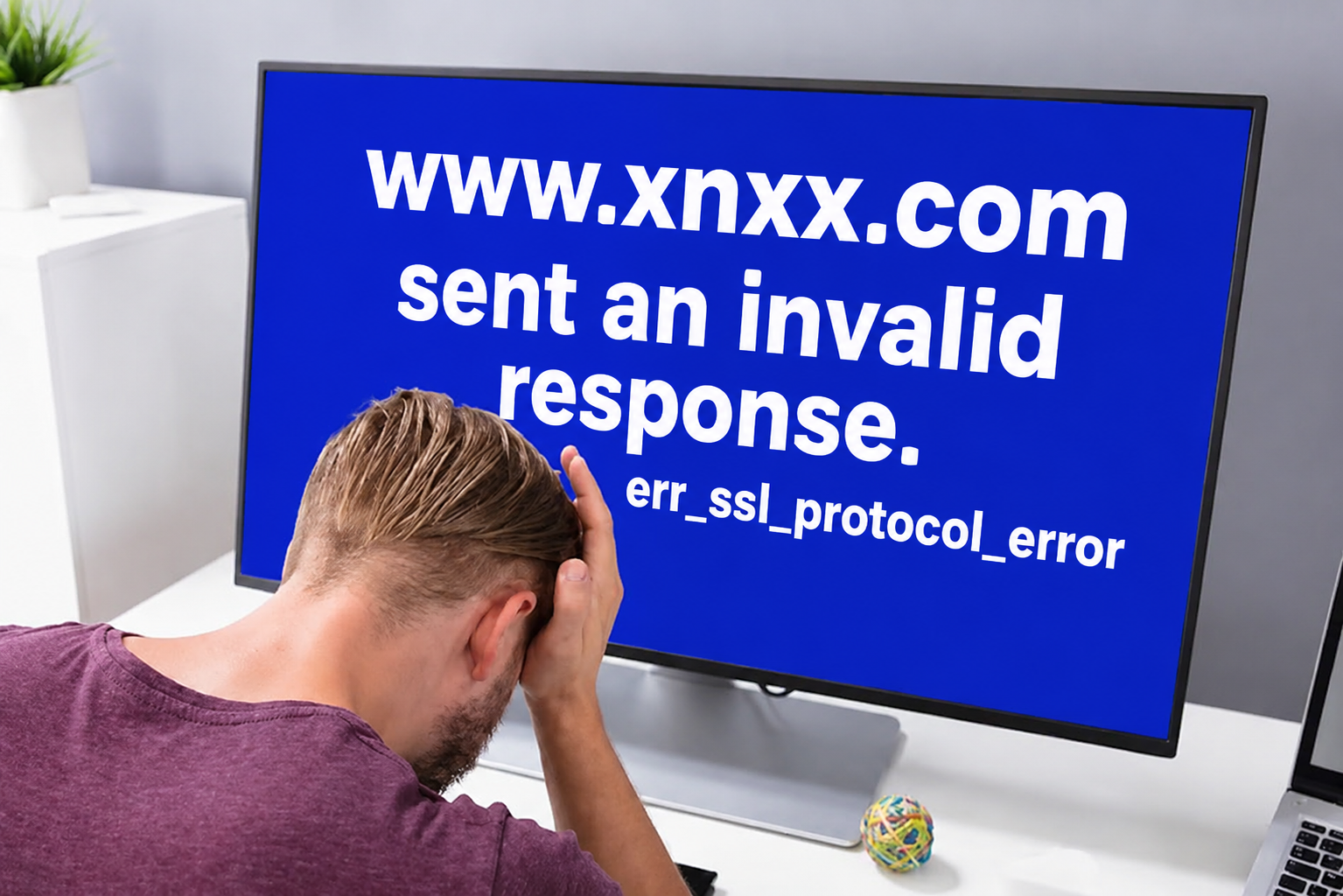
Few things are more disruptive to a seamless internet browsing experience than encountering an unexpected error screen. One minute you are navigating to a website, and the next, your browser halts your progress with a cryptic message. Among the various technical glitches that can occur, seeing a message stating that [suspicious link removed] sent an invalid response. err_ssl_protocol_error can be particularly confusing.
This error code indicates a breakdown in the secure communication channel between your web browser and the hosting server. Instead of establishing a protected line of communication, the connection fails during the initial handshake phase. Understanding why this happens, what the underlying technical jargon means, and how to systematically resolve the issue can save you hours of frustration.
What is an SSL Protocol Error?
To understand why your browser might display the message that [suspicious link removed] sent an invalid response. err_ssl_protocol_error, it helps to look at how modern websites secure their traffic.
The Role of SSL/TLS
SSL (Secure Sockets Layer), and its modern successor TLS (Transport Layer Security), are cryptographic protocols designed to provide secure communication over a computer network. When you connect to a website using https://, your browser and the website’s server perform an “SSL handshake.” During this process, they verify each other’s identities and agree on encryption keys to keep your data safe from prying eyes.
Why the Protocol Fails
An ERR_SSL_PROTOCOL_ERROR occurs when the browser expects a secure, encrypted response from the server but receives data that is corrupted, unreadable, or formatted incorrectly. Because the security standards cannot be verified, the browser abruptly terminates the connection to protect your device.
While the error message points to a specific web address, the root cause is frequently located on the user’s local device, network setup, or internet service provider (ISP) configurations rather than the website itself.
Common Culprits Behind the Connection Failure
When a browser tells you that [suspicious link removed] sent an invalid response. err_ssl_protocol_error, multiple factors could be at play. Identifying the exact source requires a bit of deductive reasoning.
- Inaccurate System Time: Security certificates have strict validity periods. If your computer’s clock is wrong, it will flag perfectly valid certificates as expired or not yet valid.
- Corrupted Browser Cache: Cached files and outdated cookies can sometimes conflict with new security configurations on a website.
- Overzealous Security Software: Many modern antivirus programs and firewalls scan encrypted HTTPS traffic. If they misinterpret the data, they may drop the connection entirely.
- Network Restraints or Content Filters: Because the domain in question hosts adult content, local network administrators, parental controls, or regional ISPs frequently deploy firewalls that actively block or alter the traffic, causing a protocol mismatch.
- Outdated Network Protocols: Older operating systems or browsers might lack support for the latest, secure versions of TLS required by modern web servers.
Comprehensive Troubleshooting Guide
Fixing this connection glitch involves a step-by-step elimination process. Start with the simplest, least intrusive solutions before moving on to advanced network configurations.
1. Synchronize Your System Date and Time
The most common and easily overlooked cause of SSL errors is an incorrect system clock. Security protocols rely heavily on precise timestamps to verify certificate authenticity.
- Right-click the clock in your system tray (Windows) or top menu bar (Mac).
- Select Adjust date/time or Date & Time Settings.
- Toggle on the option to Set time automatically and Set time zone automatically.
- Click Sync now to force your operating system to update its clock with an official time server.
- Restart your browser and attempt to load the page again.
2. Clear Your Browser’s Cache and Cookies
Over time, stored browsing data can become corrupted. If a website updates its security certificates but your browser attempts to load an older cached version of the site, a protocol conflict arises.
To clear cache in Google Chrome:
Ctrl + Shift + Delete (Windows) or Cmd + Shift + Delete (Mac)
Select "All time" -> Check "Cookies" and "Cached images" -> Click "Clear data"
After clearing the data, close all open browser windows completely, reopen the browser, and try navigating to the page.
3. Clear the Operating System SSL State
Windows stores an internal cache of SSL certificates to speed up browsing. If this cache retains a flawed or corrupted certificate status, it can persistently trigger errors. Clearing it forces the system to request a fresh certificate profile.
- Open the Windows Start menu, type Internet Options, and press Enter.
- In the properties window that appears, click on the Content tab.
- Click the Clear SSL State button.
- A confirmation box stating “The SSL cache was successfully cleared” should appear. Click OK.
4. Check for ISP Blocks and Parental Controls
If you frequently encounter screens indicating that [suspicious link removed] sent an invalid response. err_ssl_protocol_error, the issue might be an intentional block. Many internet service providers, cellular networks, and public Wi-Fi hotspots employ content filtering systems.
When these systems block a site, they often redirect your traffic or drop packets. Because your browser expects a secure handshake from the target site but receives a block page or an interrupted signal instead, it interprets the interference as a protocol failure. Testing the connection on a different network (such as switching from home Wi-Fi to a mobile data hotspot) can quickly confirm if your ISP or local router configuration is the roadblock.
Quick Reference Summary of Fixes
| Solution Level | Troubleshooting Action | Targeted Root Cause |
| Basic | Update System Clock | Resolves certificate timestamp mismatches. |
| Basic | Clear Cache & Cookies | Removes corrupted temporary browser data. |
| Intermediate | Clear System SSL State | Flushes outdated security profiles stored by Windows. |
| Intermediate | Change DNS to 8.8.8.8 / 1.1.1.1 | Bypasses restrictive or malfunctioning ISP domain resolution. |
| Advanced | Disable QUIC Protocol | Resolves experimental protocol conflicts in Chromium browsers. |
| Advanced | Adjust Antivirus HTTPS Scanning | Prevents local security software from interrupting SSL handshakes. |
Advanced Technical Solutions
If standard troubleshooting does not resolve the issue, you may need to look deeper into your browser’s hidden configurations or adjust how your computer talks to external networks.
Change Your DNS Servers
Your ISP automatically assigns Domain Name System (DNS) servers to translate website URLs into numerical IP addresses. If these servers are outdated, misconfigured, or intentionally filtering content, they can cause security errors. Switching to a reliable, neutral public DNS provider often resolves the issue.
- Google Public DNS:
8.8.8.8and8.8.4.4 - Cloudflare DNS:
1.1.1.1and1.0.0.1
You can change these settings within your operating system’s network adapter properties or directly inside your router’s administration panel to apply the fix across your entire household network.
Disable the Experimental QUIC Protocol
Modern browsers like Google Chrome utilize an experimental network layer protocol called QUIC (Quick UDP Internet Connections). While designed to make the web faster, it can occasionally clash with certain security setups or firewalls, resulting in an unexpected connection drop.
- Open a new tab in your browser.
- Type
chrome://flagsin the address bar and hit Enter. - In the search bar at the top of the page, type QUIC.
- Locate Experimental QUIC protocol and change its dropdown setting from Default or Enabled to Disabled.
- Relaunch your browser to apply the changes.
Temporarily Disable Antivirus SSL Scanning
Many premium antivirus suites feature a component called “HTTPS Scanning,” “SSL Filtering,” or “Encrypted Connection Scanning.” While meant to protect you from malicious hidden scripts, these features act as a middleman in your secure connections. If the antivirus tool fails to properly parse the handshake from the server, your browser will flag the connection as invalid.
Open your antivirus settings, locate the web protection module, and temporarily toggle off SSL/TLS scanning to see if the website loads. If it does, you may need to keep this specific feature disabled or look for an update from your antivirus provider.
Final Thoughts
Encountering an error indicating that [suspicious link removed] sent an invalid response. err_ssl_protocol_error is usually an indicator of a mismatch in security settings rather than a catastrophic failure of your device. By methodically working through system time synchronization, browser data management, and checking for local network or ISP-level content restrictions, you can pinpoint the breakdown in communication. In the vast majority of cases, these simple adjustments will restore a clean, secure path to your destination, leaving your browsing experience uninterrupted.
