

Math often builds fear in young learners. Many students view math as a collection of dry formulas and stressful drills. This anxiety hurts performance and blocks academic growth. Traditional school methods do not always fix this problem. Teachers must divide their time among dozens of kids. As a result, some students fall behind while others get bored. Parents feel the pressure too, especially when they help with homework at night.
Fortunately, modern tools offer a better path forward. Program creators design specific resources to change how children learn. Among these choices, teaching textbooks stand out as an excellent option for families and schools. This approach shifts the burden of instruction away from busy parents and teachers. Instead, it places the child at the center of an interactive environment. This detailed guide explores how this curriculum works, why it succeeds, and how it transforms student attitudes toward math.
What Exactly Are Teaching Textbooks?
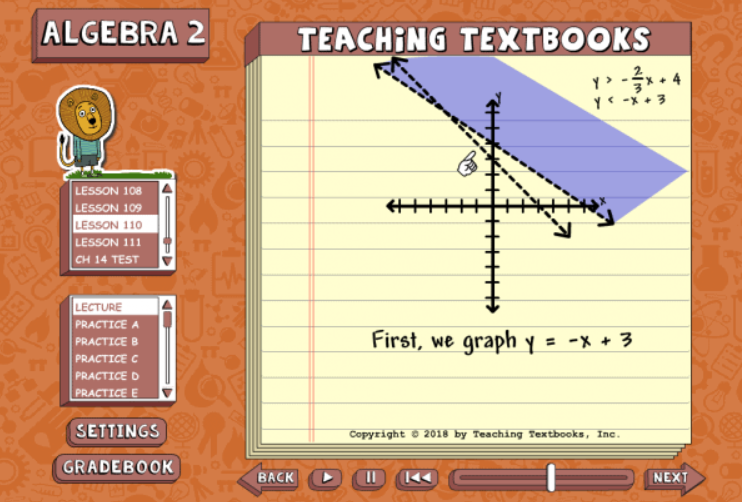
The term refers to an innovative curriculum built specifically for independent study. Unlike classic math programs, it functions as a personal virtual instructor. The main design goal is simple: make math easy to grasp without direct supervision. The system breaks down complex math logic into bite-sized, digestible pieces. It provides complete lessons, step-by-step solutions, and automated grading features.
Originally, creators launched this program on physical discs. Today, it exists as a modern cloud-based application. Students can log into their accounts from computers, tablets, or smartphones. This mobility allows learners to study at home, in libraries, or during road trips. The system tracks progress automatically across all devices, which simplifies the routine for everyone involved.
Core Philosophy: Every child can master math when the instruction speaks directly to them at a comfortable, individual speed.
How the System Operates on a Daily Basis
The layout follows a highly organized, predictable routine. Predictable routines lower anxiety because students know exactly what to expect next. Every single lesson contains distinct segments that build skills step by step. Here is how a typical study session unfolds:
- The Multimedia Lecture: The system delivers a clear audiovisual explanation of the new math concept. Animated characters and visual cues keep the presentation lively and engaging.
- Practice Problems: Students complete a few practice questions right after the lecture. This step tests their instant understanding of the topic before they move forward.
- The Main Problem Set: The program presents around twenty to twenty-five questions. These questions combine the new concept with systematic review from older chapters.
- Instant Automated Feedback: The app grades each response instantly. If a student makes an error, the system gives them a second chance or shows a full video explanation immediately.
Key Benefits of Using Interactive Math Programs
This style of learning offers major advantages over traditional textbooks. It builds a supportive structure that changes how students interact with numbers. The system fixes common pain points for both parents and educators.
1. Automated Grading Saves Precious Time
Manual grading takes hours every single week. Parents and teachers often fall behind on checking homework assignments. Delayed grading hurts students because they repeat the same mistakes for days. Automated systems score problems in real time. Students know their results instantly, which stops bad habits before they take root.
2. Step-by-Step Video Explanations for Every Problem
Most traditional math books only print the final answer in the back pages. If a student gets a question wrong, they do not know why. This program includes an individual video solution for every single problem in the system. The voiceover walks through the exact math process step by step. This immediate assistance builds deep conceptual understanding.
3. Multi-Sensory Approach Enhances Retention
People absorb information through different channels. Some learn by looking, others by listening, and many by doing. This software satisfies all three learning styles at the exact same time. Students see the text on screen, listen to the warm narration, and type or draw their answers. This three-pronged approach locks concepts into long-term memory.
Curricular Performance Matrix
| Feature | Traditional Textbooks | Teaching Textbooks Approach |
| Instruction Type | Static text, requires a teacher | Dynamic audio, video, and animation |
| Grading Speed | Delayed, manual work | Instant and completely automated |
| Review Style | Massed blocks, quickly forgotten | Spiral review, continuous reinforcement |
| Support Level | Only final answers provided | Complete video explanations for all tasks |
The Power of the Spiral Review Method
Educational experts divide curriculums into two main styles: mastery and spiral. A mastery curriculum focuses on one narrow topic for weeks. The student moves on only after they memorize that specific skill. However, kids often forget old concepts when they start new units.
In contrast, teaching textbooks use a highly effective spiral review method. This strategy introduces a small piece of a new concept during the lesson. Then, the daily problem set mixes that new concept with ideas from previous weeks. This constant repetition keeps older skills fresh in the student’s mind. It prevents the common cycle of cramming for a test and forgetting the material the next day.
Why It Boosts Student Confidence and Independence
When students struggle with math, they often lose self-esteem. They look at a blank paper and feel completely stuck. This emotional barrier slows down their academic growth. An interactive system breaks down this barrier by putting the student in total control of the environment.
First, the friendly narration sounds like a supportive tutor rather than a strict examiner. Second, the gentle hint system rewards effort. When a child answers incorrectly, the screen does not display a harsh red mark. Instead, it invites them to try again or watch the solution guide. This gentle feedback loop makes mistakes feel like normal learning steps rather than personal failures.
As students fix their own mistakes, they build genuine independence. They stop running to a parent or teacher for help every five minutes. This new independence spreads to other school subjects too. Students learn to trust their own minds, analyze complex problems, and find correct solutions on their own.
A Perfect Tool for Homeschooling Families
Homeschool parents face a massive challenge. They must teach multiple grade levels and subjects at the exact same time. High school math often terrifies parents who have not seen algebra or geometry in decades. They worry about teaching advanced formulas incorrectly.
Digital teaching textbooks remove this anxiety entirely. The software handles all the direct instruction, testing, and record-keeping duties. Parents do not need to master quadratic equations to give their children an amazing education. They can step back into a supportive role. They review the automated gradebook, praise hard work, and offer encouragement while the system handles the heavy academic lifting.
Effectiveness in Traditional Classroom Settings
Public and private school teachers also benefit from this versatile software tool. Modern classrooms contain students with wildly different skill levels. A teacher cannot easily customize a single lecture for thirty different kids at once.
Educators use this digital curriculum to create flexible learning centers. While one group works directly with the teacher, another group builds skills on their devices. The software lets advanced students fly ahead through higher levels. At the same time, it allows struggling students to review basic foundational lessons without shame. The real-time dashboard helps teachers see exactly who needs extra human intervention.
How to Pick the Correct Math Grade Level
Choosing the right entry point is crucial for a student’s success. Math levels do not always match standard school grades. A ten-year-old child might excel at advanced geometry but struggle with basic division. Placing a kid in a level that is too hard destroys their confidence quickly.
Fortunately, creators provide free placement tests online. Parents and teachers should always use these tests before buying a subscription. These diagnostics measure actual skill levels rather than age or grade titles. Starting a slightly easier level is completely fine. It seals up gaps in foundational knowledge and gives the child a strong, confident start.
Tips for Maximizing Success with Digital Math Curriculums
While the software operates independently, adults should still provide a stable framework. A few simple habits will ensure the best possible results over the academic year:
- Insist on a Physical Scratch Pad: Students must write down their work on paper. Trying to solve complex algebra equations entirely in their heads causes sloppy mental mistakes.
- Establish a Consistent Schedule: Math skills grow through steady, daily practice. Schedule math for the exact same hour every morning when the student’s brain is fresh and energetic.
- Monitor the Gradebook Weekly: Check the parent dashboard regularly. Look for low scores or skipped video solutions. Catching a trend early keeps the student on the right track.
- Praise Effort over Perfection: Reward the time spent watching explanations and fixing errors. True learning happens when a student wrestles with a tough problem and finally figures it out.
Addressing Common Misconceptions
Some critics believe that digital math platforms are too easy. They look at the fun graphics and assume the content lacks academic depth. This assumption is completely false. The curriculum aligns fully with standard educational guidelines and testing requirements. It covers every major algebraic law, geometric theorem, and calculus foundation required for university admission.
The program feels easier simply because the instruction is clear and orderly. It removes the confusing language that clutters traditional textbooks. Clean formatting and simple language do not weaken the math. Instead, they make the underlying logic highly accessible to human minds.
The Cost-Effective Nature of Digital Subscriptions
Traditional textbooks cost a fortune, and they wear out or become outdated quickly. Hiring a private human tutor is even more expensive, often costing forty to eighty dollars per hour. This high price tag strains family budgets.
Digital math applications offer an affordable, high-quality alternative. Annual subscriptions cost a fraction of the price of private tutoring. Families get unlimited access to a full year of lectures, automated grading, and customer support. Many plans also offer discount rates for large families with multiple children, making it a very smart financial choice.
Final Thoughts: Empowering the Next Generation of Mathematicians
Math is more than just a school requirement. It serves as a vital life skill and a foundation for future career opportunities. The modern world needs analytical thinkers who can navigate data, technology, and engineering challenges with ease. Building these skills requires an educational foundation that inspires curiosity rather than fear.
Embracing innovative teaching textbooks changes the learning landscape entirely. It turns math from an agonizing daily chore into a rewarding journey of personal discovery. The combination of clear video instruction, instant grading, and spiral review sets students up for long-term victory. By shifting to an active, independent model, you unlock your student’s true potential and foster a lifelong love for learning.
