

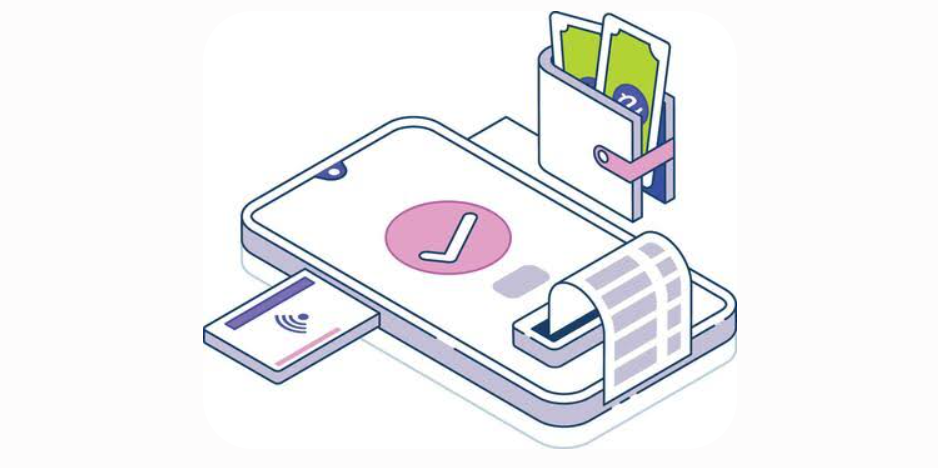
The landscape of digital transactions has undergone a massive transformation over the past decade. Unified Payments Interface (UPI) has democratized banking, making it possible to transfer money instantly with a simple QR code scan. Small shopkeepers, street vendors, and major retail chains alike rely heavily on platforms like PhonePe to keep their businesses running smoothly. However, as digital payments have climbed to record volumes, the tactics used by bad actors have evolved in tandem.
Among the latest digital deceptive practices disrupting small businesses is the rise of spoofing applications. These are counterfeit apps that mimic real payment portals to generate dummy success screens. For shop owners and consumers alike, understanding how a fake phonepe apk operates, why it succeeds in tricking people, and how to build absolute defenses against it is vital to safeguarding daily earnings.
What Exactly is a Spoof Payment Application?
To understand how this fraud occurs, it helps to look under the hood of Android applications. An APK, short for Android Package, is the file format used by the Android operating system to distribute and install mobile apps. While legitimate software is vetted and downloaded through official channels like the Google Play Store, Android allows users to “side-load” apps from third-party websites or messaging channels via raw installation files.
When an individual downloads a fake phonepe apk, they are not installing a tool that connects to the banking network. Instead, they are downloading an offline graphic user interface (UI) generator. The application is built by malicious or rogue developers to mimic the exact branding, typography, color hex codes (the signature PhonePe purple), and layout of a genuine transaction completion page.
When the user opens this cloned app, it presents a simple form field. The scammer enters basic information:
- The name of the shopkeeper or business
- The phone number or UPI ID of the receiver
- The specific monetary amount of the transaction
- A customized date, time, and fake transaction ID
Once they hit “Submit” or “Pay,” the application renders a beautiful, full-screen animation complete with a green checkmark, the official logos, and sometimes even a simulated audio confirmation sound that mirrors real-world transaction trackers. To a busy person behind a counter, it looks exactly like money has changed hands, even though no data has ever touched the banking servers.
Anatomy of the Counter Scam: How It Happens in Real-Time
Fraud that relies on cloned application visuals is heavily dependent on social engineering. It is rarely pulled off in an empty shop where a business owner has minutes to review their records. Instead, fraudsters deploy specific behavioral tactics to maximize their chances of success.
1. Targeting High-Volume Windows
Scammers specifically look for environments where attention is divided. This includes grocery stores during the evening rush, fuel stations with lines of vehicles, crowded restaurants during lunch hours, or chaotic festival stalls. They know that under pressure, your brain relies on quick visual patterns rather than systematic verification.
2. The Illusion of a Normal Transaction
The individual walks up to the billing counter, picks out items, and behaves like any regular customer. They will openly scan your store’s QR code or ask for your mobile number to create an impression of honesty. However, instead of executing the payment inside a verified app, they secretly pull up the interface of the fake tool they side-loaded.
3. Pushing the Urgency Trap
Once the mock confirmation screen is generated, the fraudster flashes it rapidly at the store worker. They will immediately pick up their items and create an artificial sense of urgency. They might say they are running late for a train, double-parked on a busy street, or experiencing a critical emergency.
4. Fabricating Technical Delays
If a merchant hesitates because they haven’t received a bank alert, the scammer plays on familiar technical frustrations. They will confidently assert that the banking servers are lagging, blame a weak local network signal, or point out that “the amount has already been debited from my side” while promising it will show up on the merchant’s end within a few minutes. This psychological pressure forces many workers to yield and let the fraudster walk away with the goods.
Spotting the Fake vs. The Legitimate Transaction
While these rogue utility apps try to replicate the genuine interface perfectly, subtle flaws almost always give them away. Legitimate financial applications maintain a highly rigid, polished, and standardized UI layout designed by professional product teams. Cloned applications, on the other hand, often suffer from layout inconsistencies due to variations across different phone screen aspect ratios.
The following reference table outlines the critical discrepancies between a genuine, server-verified payment process and a lookalike confirmation generated by unauthorized software:
| UI / Transaction Element | Genuine PhonePe Transaction | Spoof App / Fake Screen Generation |
| Data Connection | Requires real-time active internet; connects directly with NPCI and secure bank servers. | Works entirely offline; runs on localized scripts without making network handshakes. |
| Typography & Fonts | Crisp, anti-aliased system fonts that dynamically scale seamlessly. | Fonts may look slightly misaligned, stretched, or unevenly bolded. |
| Logos & Brand Colors | Exact brand purple and precise vector graphic assets. | Colors may appear overly bright, washed out, or show visible compression artifacts. |
| Transaction ID / UTR | Generates a valid, uniquely traceable 12-digit UPI transaction number. | Often leaves the ID field completely blank, uses short numbers, or repeats identical dummy strings. |
| Recipient Name Matching | Dynamically extracts your verified merchant bank name via the QR code registry. | Requires the scammer to manually type your name, which can lead to spelling errors. |
| Receiver Side Alert | Instantly triggers a push notification, bank SMS, or Soundbox audio broadcast. | Zero external alerts land on the merchant’s phone or dashboard because no money moved. |
The Hidden Dangers of Downloading Side-Loaded Utility Files
The financial loss inflicted on small businesses is only one side of this issue. There is an entirely separate danger facing individuals who actively look for a fake phonepe apk online out of curiosity, a desire to pull a prank on friends, or worse intentions.
The internet has a basic rule of safety: when you look for unauthorized, modded, or cracked software on the web, you stop being the user and become the target.
+————————————————————-+
| THE SIDE-LOADING DANGER LOOP |
+————————————————————-+
| User searches for a malicious/spoof APK file online |
+————————————————————-+
|
v
+————————————————————-+
| Downloads from shady forums, third-party blogs, or links |
+————————————————————-+
|
v
+————————————————————-+
| App requests deep device permissions (SMS, Storage, Logs) |
+————————————————————-+
|
v
+————————————————————-+
| Hidden Trojan/Spyware runs background exploits on the phone |
+————————————————————-+
|
v
+————————————————————-+
| Scammers intercept real banking OTPs and drain the user |
+————————————————————-+
When you download utility files from unverified third-party blogs, forums, or links embedded in video descriptions, you are almost always downloading hidden malware. Rogue developers use the allure of a spoof app as bait to lure users into installing dangerous payloads.
Once you install an unvetted package, it routinely asks for extensive, deeply sensitive phone permissions under the guise of functioning properly. These include:
- SMS Read/Write Access: Allowing the background code to read all incoming text messages. This means the creators of the app can seamlessly harvest your actual banking OTPs (One-Time Passwords) and personal authorization codes.
- Overlay Permissions: Granting the application the ability to draw invisible windows over your legitimate banking and payment tools. When you think you are typing a PIN into your real bank app, you are actually typing it into a hidden, malicious logger layer.
- Contact List & Media Storage Extraction: Shady software often bundles ransomware or spyware that scrapes your private pictures, personal documents, and contact list, uploading them to remote command-and-control servers for extortion purposes.
An individual trying to bypass paying a small bill at a retail counter by hunting down a deceptive file can easily end up giving cybercriminals total remote access to their smartphone. This can result in their own bank accounts being systematically wiped clean.
Actionable Defense Strategies for Businesses
Relying purely on a customer’s phone screen to verify a payment is a dangerous practice for any modern business. To protect your cash flow from spoof platforms, you must shift your operational workflow from visual trust to systemic confirmation.
The following step-by-step security protocol should be put into place across every checkout point to guarantee that no order leaves your store unpaid:
1.Shift Your Focus to Your Own Devices:Immediate Behavior Change.
Never use the customer’s phone screen as proof of a successful transaction. Even if it looks fully legitimate, ignore their display and prioritize looking down at your own physical device or official notification channels.
2.Deploy Real-Time Audio Verification Technology:Hardware Infrastructure.
Invest in an official merchant audio box (like the PhonePe Soundbox) or activate clear voice alerts on your business phone. These dedicated smart speakers hook directly into the real banking gateway API and sound off instantly when money enters your account, completely bypassing any UI spoofing tricks.
3.Verify via the Official Merchant Dashboard:Data Validation.
If an audio box is unavailable or a delay occurs, open the official business companion app on your phone and refresh the transaction ledger history. Match the incoming UTR/Transaction ID, the precise timestamp, and the exact settlement amount against the customer’s claim before letting any items leave the counter.
4.Implement a Firm Handover Policy:Store Policy Enforcement.
Train all point-of-sale staff to handle high-pressure or overly hurried customers calmly but firmly. Establish a non-negotiable store policy: if the incoming money does not show up as a credit in your system, the items stay behind the counter.
What to Do If Your Store Falls Victim to an APK Scam
If you realize that a customer has managed to walk away after showing you a fake payment confirmation screen, taking swift, calculated action can help limit your losses and prevent the scammer from hitting other nearby shops.
Preserve Every Scrap of Digital Evidence
Do not delete any chats or discard information. If you took down the customer’s phone number, noted their UPI ID handle, or caught a glimpse of their vehicle registration plate outside your shop, write those details down immediately.
Secure and Extract Store Security Footprint
If your retail outlet or a neighboring store has a CCTV camera setup, pull the footage covering the exact timestamp of the incident. Export a clear screenshot of the fraudster’s face along with the video clip of them executing the transaction at your desk.
Lodge an Official Complaint with the Portal Support Teams
Open your verified business portal application, navigate to the transaction support or help panel, and file an emergency ticket under “Report Fraudulent Customer Behavior”. Provide the platform’s security team with all relevant identifiers so they can flag the scammer’s device footprint and protect the broader vendor ecosystem.
File an Incident Report with the Cyber Crime Authorities
In India, digital payment frauds should be reported straight to the national cyber cell infrastructure. You can call the dedicated national helpline number at 1930 or log onto the official central portal at cybercrime.gov.in to submit your digital evidence packets. This helps law enforcement trace the recurring device IDs used by organized scam rings operating in your local commercial sectors.
Conclusion: Building Long-Term Digital Security Hygiene
The threat posed by a fake phonepe apk is not a breakdown of modern financial technology itself, but rather an exploitation of human trust, speed, and workplace distraction. The core UPI network engineered by the NPCI remains incredibly safe, featuring robust end-to-end encryption frameworks and rigorous multi-factor authentication protocols. The loop hole scammers exploit resides entirely in the brief, low-awareness moments at physical checkout counters where visual representations are accepted in place of real data.
For modern retail workers and business operators, running a modern establishment means treating digital ledger management with the same level of discipline as physical cash registers. You would never place a high-value item into a buyer’s bag simply because they flashed a photocopy of a currency note from across the counter; similarly, a pixelated green checkmark on an unverified smartphone screen should never dictate your business inventory decisions. By removing visual dependency, adopting reliable audio-assisted notification hardware, and training teams to stand firm against high-pressure customer tactics, you can make your business a hard target for digital fraudsters and protect your hard-earned profits.
